Kanniga Parameswari Temple: A Unique Fusion of French and Tamil Architecture
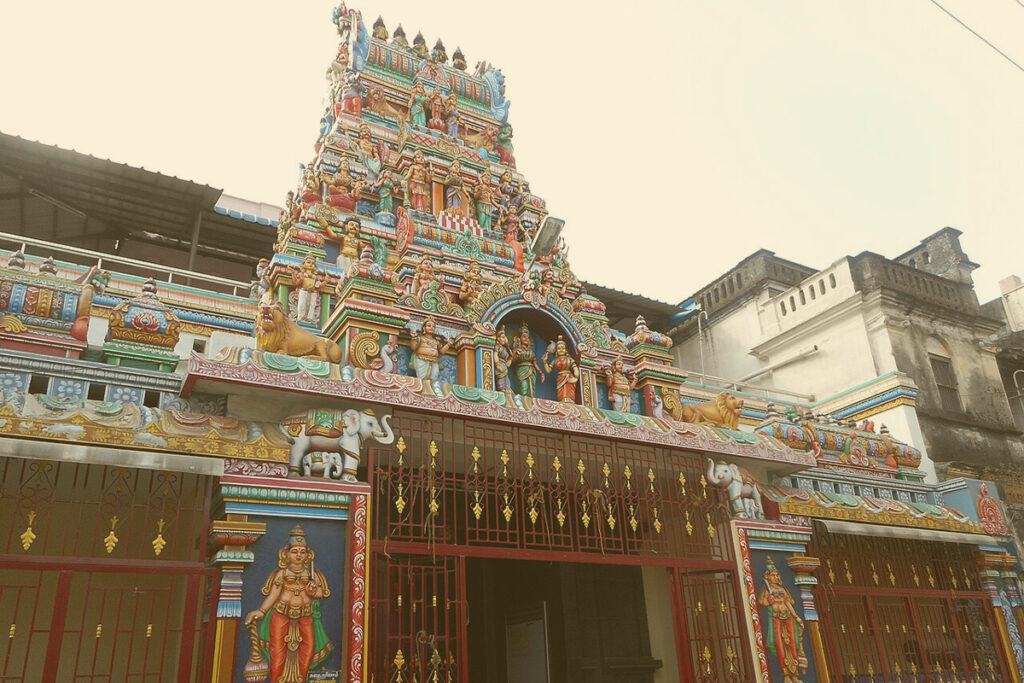
The Kanniga Parameswari Temple Pondicherry is a breathtaking destination that perfectly captures the dual heritage of this coastal city. If you are exploring the deep spirituality and rich history of the region, this hidden gem is an absolute must-visit. Located prominently on the bustling Mahatma Gandhi Road, it stands as a sacred space where ancient faith and colonial architecture beautifully meet.
It is a living, breathing example of how the city’s French and Tamil worlds coexist in absolute harmony. The moment you step off the noisy, traffic-filled street and into the temple compound, the atmosphere completely shifts. Whether you are a devoted pilgrim, a history lover, or simply someone who enjoys unique architectural blends, this temple will leave you utterly fascinated.
The Deity and Spiritual Significance
To truly understand the quiet power of this site, you must first look at its spiritual foundation. The temple is primarily dedicated to Goddess Parvati, who is passionately worshipped here in her powerful form as Goddess Shakti. She represents the ultimate embodiment of feminine power, purity, courage, and divine creative energy in Hindu mythology.
This sacred sanctuary isn’t just a quiet place for daily prayer; it is actually one of the most highly revered religious landmarks in the entire Union Territory. It is lovingly maintained by the local Chettiar community, who are ardent, dedicated believers of Goddess Kali. It constantly attracts thousands of devoted pilgrims and curious tourists throughout the year.
Inside the vast complex, devotees also pay deep respect to a striking, imposing idol of Lord Ganesha, which is housed in a separate, beautiful sanctum. People visit from all over South India to seek divine blessings for a prosperous married life, a bright future, and the boon of a child.
The Architectural Marvel: Tamil Meets French
What makes this specific building truly stand out from every other religious site in India is its extraordinary, seamless fusion of two vastly different worlds. It perfectly blends traditional Dravidian (Tamil) temple design with classic French colonial architectural styles. This specific cross-cultural masonry is a rare visual treat that you will not easily find anywhere else on the subcontinent.
As you step through the main entrance, you will immediately notice this beautiful, harmonious blend of East and West. The very core of the building, specifically the inner sanctum sanctorum and the ceiling, features a classic, highly traditional Tamil design. It is supported by heavily carved, intricate granite monolithic pillars that proudly showcase brilliant local Indian craftsmanship.
However, as you step back and look at the outer structure, the European influence becomes incredibly obvious. The temple features sweeping, elegant arched walls and towering monolithic pillars that perfectly represent classic European architecture. You will even find classical Ionic columns framing the massive entryways, making it look almost like a cross between a traditional Hindu temple and a French church.
Perhaps the most surprising and visually stunning elements are the gorgeous stained-glass windows. These vibrant, colorful glass panes are a clear, undeniable nod to French Catholic artistry. When the morning sun hits the building, these windows cast beautiful, colorful pools of light across the cool stone floors.
The walls are also heavily adorned with unique stucco motifs and beautiful sculptures of angels and heavenly creatures. Seeing Western-style angels carved right next to traditional Hindu motifs perfectly symbolizes the city’s incredibly rich fusion of cultures.
Festivals and Cultural Celebrations
The temple remains a place of quiet, serene reflection for most of the week. However, it truly comes alive and absolutely bursts with vibrant energy during major Hindu festivals. During these special times, the air is filled with deep devotion, traditional music, and incredible color.
The most famous celebration here is Navratri, which involves nine spectacular nights of divine worship dedicated to Goddess Durga and her various forms. The temple also sees massive, joyous crowds during Pongal, the traditional Tamil harvest festival. During this time, the entire complex is beautifully decorated with fresh sugarcane and massive green banana leaves.
If you visit during Deepavali (the festival of lights), the building absolutely glows with thousands of small oil lamps and thick floral garlands. Additionally, all Fridays during the auspicious Tamil month of Aadi (usually falling around August) are considered highly sacred. Devotees flock to the temple on these days to lovingly offer red sarees, turmeric, and vibrant lemon garlands to the Goddess.
Plan Your Visit and Etiquette
Because this is a highly active spiritual center right in the middle of Heritage Town, visiting requires a bit of planning and deep cultural respect.
- Location: You will find the complex prominently located on M.G. Road (Mahatma Gandhi Road) near the corner of Kamatchi Amman Kovil Street. It is just a short, breezy walk away from the main streets of the White Town Walking Guide grid.
- Timings: The heavy doors open early for morning prayers from 6:00 AM or 6:30 AM to 10:30 AM. The temple strictly closes during the hot afternoon hours but reopens for evening darshan from 5:30 PM to 9:00 PM.
- Entry Fee: Exploring this incredible architectural marvel and experiencing its peaceful energy is completely free of charge for all visitors.
- Dress Code: Modest attire is highly recommended and expected to maintain the sanctity of the space. Traditional Indian wear is always preferred, but at a minimum, both men and women must ensure their shoulders and knees are fully covered.
Since you are already exploring the beautiful heritage grid of the city, you can easily combine your visit here with a trip to the nearby Manakula Vinayagar Temple for a full morning of spiritual discovery.
Final Thoughts
This gorgeous building is so much more than just a simple religious site. It is a stunning, physical symbol of the city’s historic harmony and multicultural identity. Its serene atmosphere, elegant French-Tamil architecture, and deep sense of local devotion make it an absolute must-visit location on your itinerary.
Whether you are seeking divine blessings, studying architectural history, or simply looking for a quiet moment of reflection away from the traffic, this temple delivers. It is the absolute perfect spot for spiritual travelers and heritage enthusiasts who want to experience the city’s diverse cultural identity firsthand.
Recent Post
Tags